Notifications (Click to mark read)
 In Norse mythology, Hel is the formidable daughter of Loki and the giantess Angrboða, and the ruler of a realm that bears her name. She is not simply a personification of evil or a devil-like figure. In the surviving sources, Hel presides over a destination for many who die through sickness or old age, while those who fall in battle may be received elsewhere. Her presence belongs to the Norse understanding that death has many paths, and that not every life ends in the same way.
Qualities associated with Hel:
• Acceptance of mortality: A theme for reflection and understanding
• The dignity of endings: A theme for reflection and understanding
• Honest confrontation with difficult truths: A theme for reflection and understanding
• The boundary between life and death: A theme for reflection and understanding
• Stillness, endurance and inevitability: A theme for reflection and understanding
• The need to grieve without denial: A theme for reflection and understanding
Hel can be a powerful mythological figure to contemplate when facing change, bereavement, the end of a chapter, or the parts of life that cannot be controlled. This is a reflective use of the myth, not a claim that Hel offers comfort or intervention in the way a modern spiritual practice might imagine.
Hel's Origins and the Realm She Governs
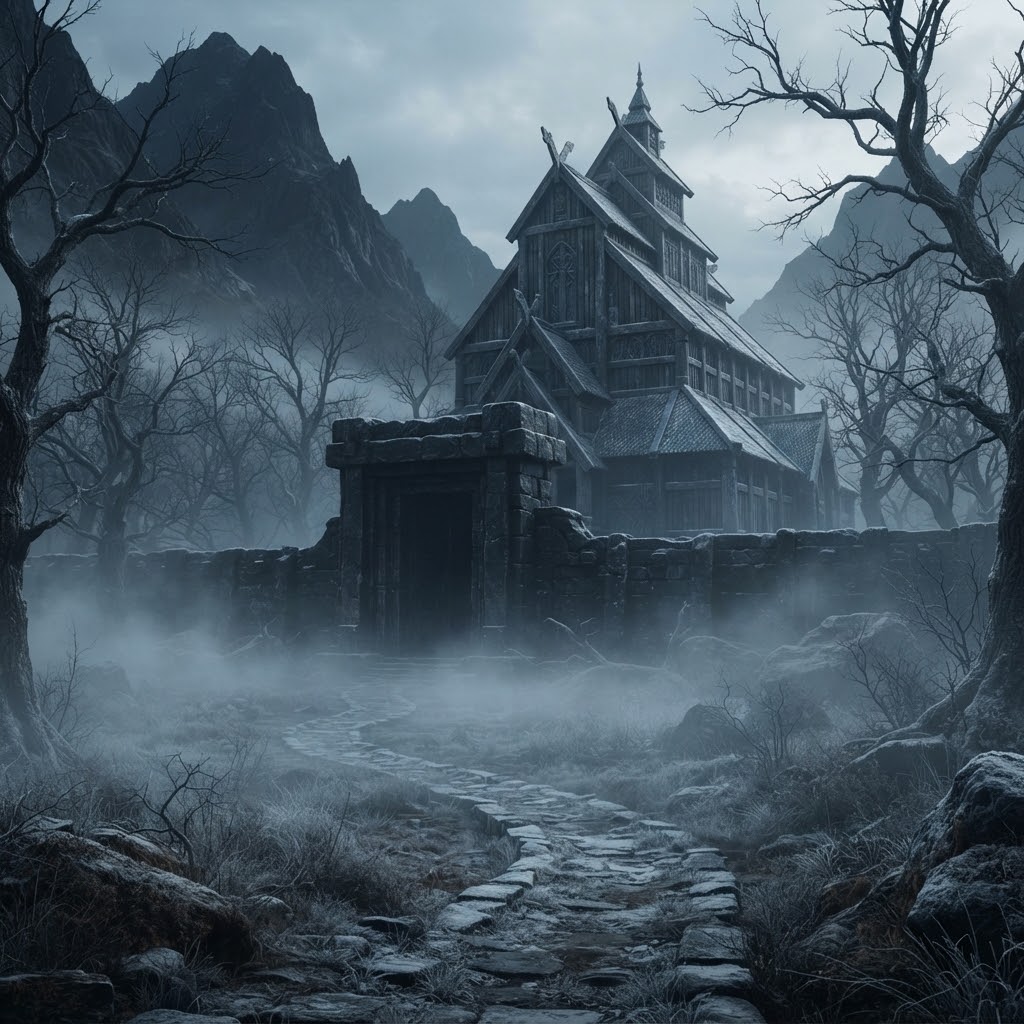
The Prose Edda tells that Hel is the daughter of Loki and Angrboða, sister to the wolf Fenrir and the serpent Jörmungandr. The gods regard Loki's children as a threat and Hel is sent to the world of the dead. Odin gives her authority over those who are sent to her, and she establishes her dwelling in a formidable hall. The account describes her as having a divided appearance, partly flesh-coloured and partly dark or corpse-like. This striking image marks her as a being who belongs between the living world and the condition of death.
The Story of Baldr
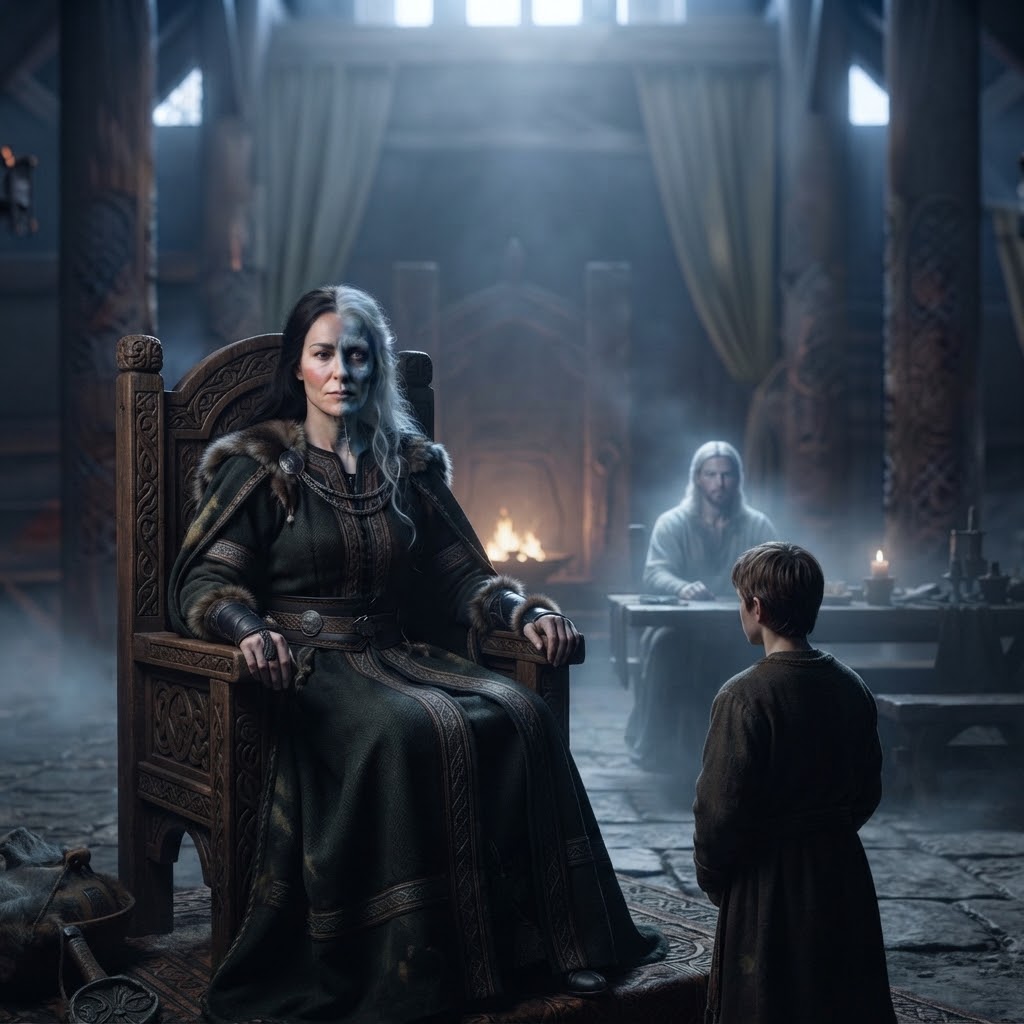
The death of Baldr, beloved among the gods, brings Hel into one of the best-known episodes of Norse myth. When Hermóðr travels to her realm to ask for Baldr's return, Hel sets a condition: all things must weep for him. The world appears to mourn, but one figure refuses, and Baldr remains with Hel. The story is not merely a tale of cruelty. It confronts the limits of bargaining with death and the painful fact that love cannot always reverse loss.
Symbols and the Meaning of Hel
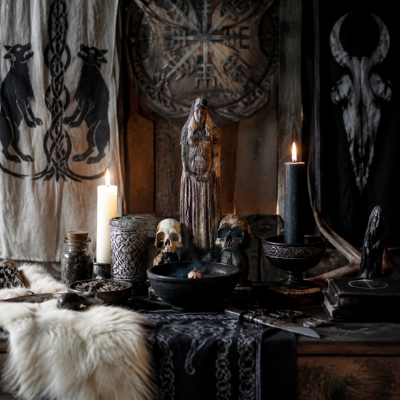
Hel's most important symbol is her realm itself: a place of boundary, stillness and finality. The hall Éljúðnir, its high walls and guarded entrance, express separation from the living world. Later retellings often emphasise her divided body, but the details should be understood as part of the medieval literary description rather than a universal ancient image. Wolves, ravens, frost and dark landscapes are common modern artistic associations; they are evocative imagery, not all securely attested personal attributes of Hel.
Reflecting with Hel: Endings, Grief and Acceptance
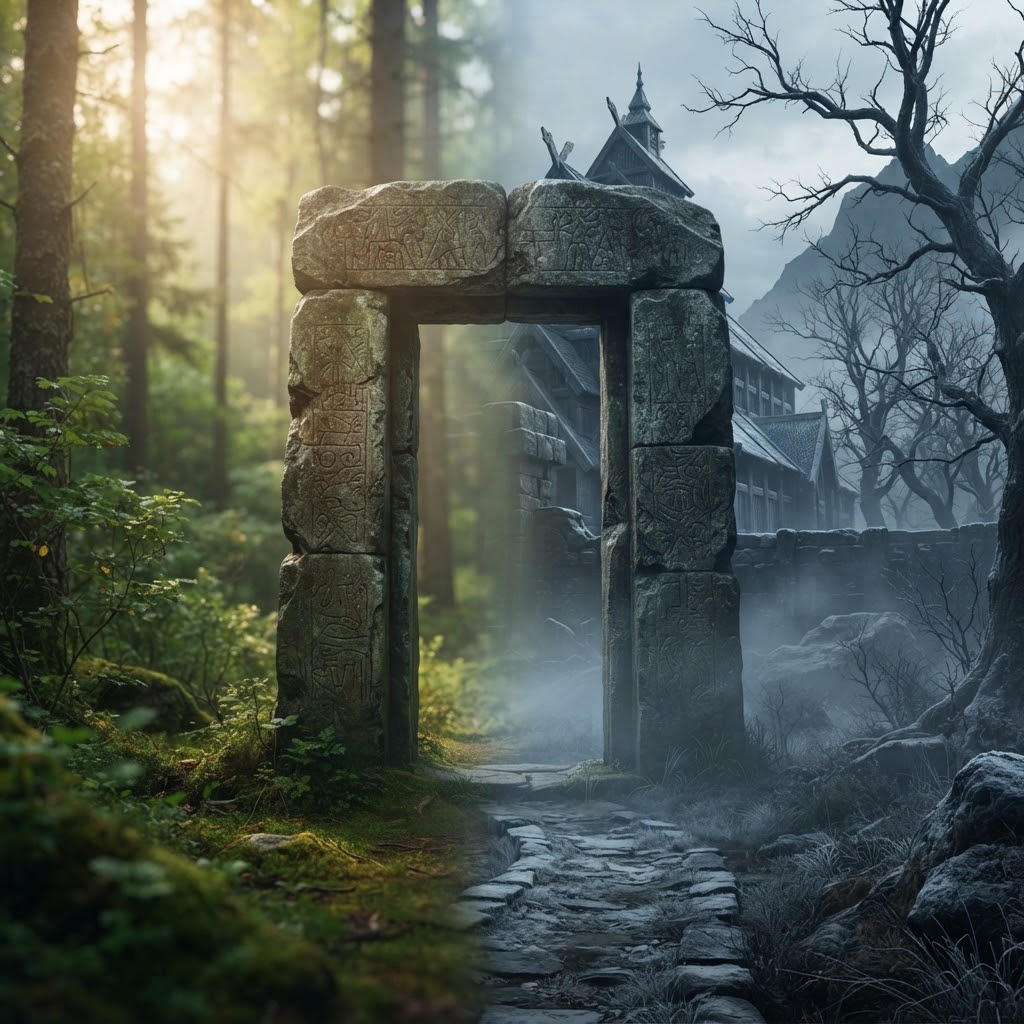
A reflective practice inspired by Hel begins by naming what has ended or is changing. Write down what cannot be restored, what remains with you, and what still requires care. Allow grief and relief to coexist where they do. The purpose is not to romanticise loss, but to acknowledge reality clearly enough to decide what deserves your attention now.
Hel in Modern Life
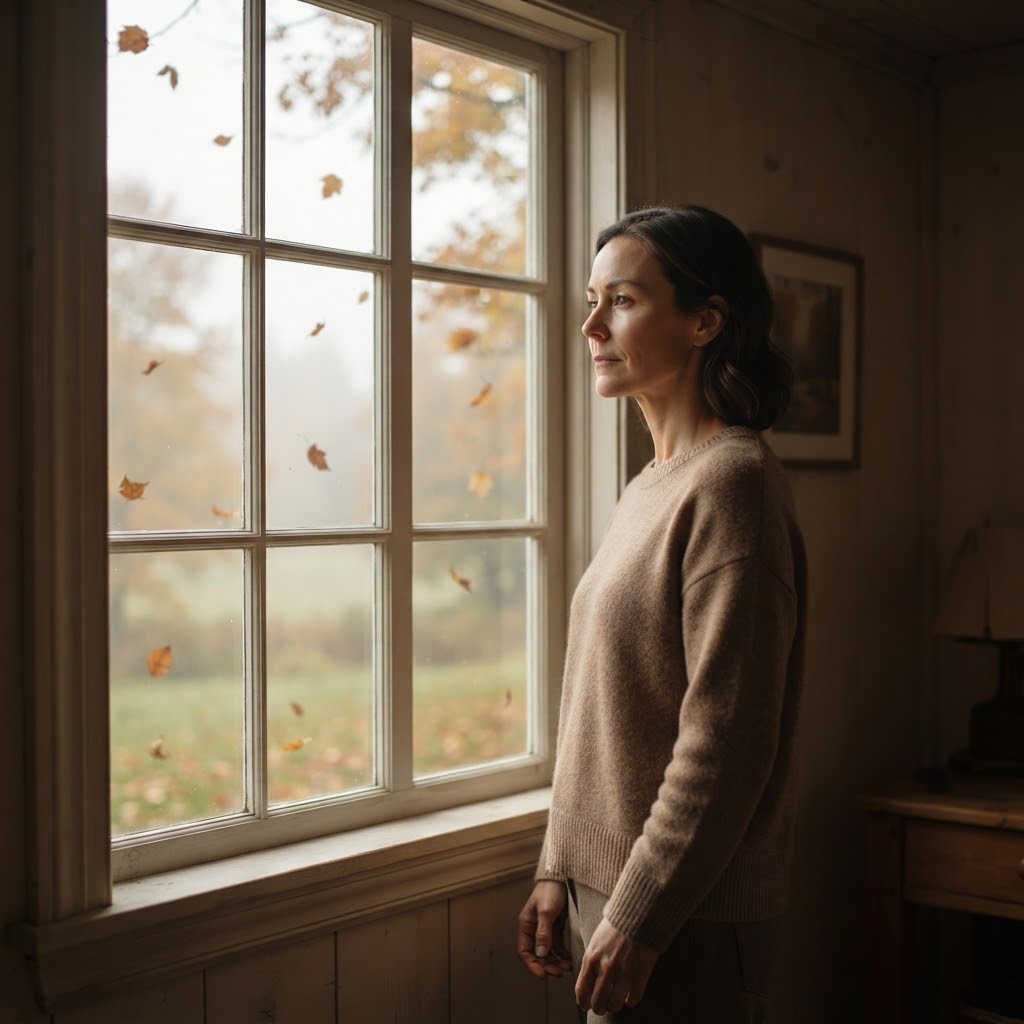
Hel's myth can help us examine the subjects that everyday life often pushes aside: mortality, ageing, grief, illness and the limits of control. Her story also invites a more careful understanding of the Norse afterlife, which was not a simple division between a Christian-style heaven and hell. The sources describe several destinations and different traditions, and they do not provide one perfectly consistent map.
Symbols and Attributes
The hall Éljúðnir; high walls and gates; the threshold between worlds; the divided living-and-dead appearance described in Snorri's Prose Edda. Frost, ravens and wolves may be used as modern visual motifs, but should not be presented as firmly established sacred animals of Hel.
A Simple Reflective Practice
Choose one ending, transition or loss that you have been avoiding naming. Write three short notes: what has ended, what remains, and what needs attention now. Finish by identifying one small action that honours the present rather than trying to undo the past.
Offerings and Contemporary Observance
In a historical discussion, avoid claiming a fixed ancient offering list for Hel. For a personal, non-prescriptive reflection, people may choose a quiet moment, a written remembrance, or an act of care for someone who is grieving. These are modern gestures, not documented universal Norse rites.
Explore More Goddess Archetypes →
Select a theme for reflection:
What does this goddess's story bring into focus for you?
Read the myths in their historical and cultural context. Different ancient authors and communities sometimes tell different versions of the same story.