Notifications (Click to mark read)
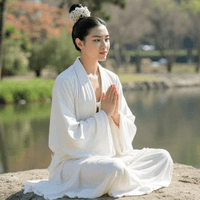 Quan Yin (also known as Guanyin or Kwan Yin) is one of the most beloved goddesses in the world, revered as the Buddhist embodiment of infinite compassion and mercy. Her name means "She Who Hears the Cries of the World," and she is understood to respond to all who call upon her with love, healing, and guidance.
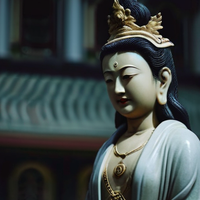
Often depicted as a graceful woman in flowing white robes, sometimes holding a lotus flower or a vase of healing water, Quan Yin represents the divine feminine aspect of compassion that has transcended her Buddhist origins to speak to people of many spiritual paths. While rooted in Buddhist tradition — specifically in the bodhisattva ideal of remaining accessible to beings in need of help — her loving presence has become a universal symbol of the compassionate feminine.
Sacred Qualities:
• Unconditional Love: Quan Yin loves without judgement or condition
• Divine Mercy: She offers forgiveness and the possibility of beginning again
• Emotional Healing: She specialises in healing wounds of the heart
• Compassionate Wisdom: She combines genuine understanding with practical guidance
• Protective Care: She guards those who are vulnerable or suffering
Quan Yin's energy is gentle yet powerful, offering comfort to those in emotional pain while inspiring the development of compassion within ourselves and toward others. She does not demand that we have resolved our suffering before approaching her; she responds to the suffering itself.
The Origins of Quan Yin
Quan Yin's origins trace back to the bodhisattva Avalokiteshvara in Indian Buddhism — a male figure of compassion whose name means "the one who looks down upon the cries of the world." As Buddhism spread to China along the Silk Road, this compassionate figure gradually transformed: by the tenth century CE, Chinese artistic depictions of Avalokiteshvara were increasingly feminine, and by the Ming Dynasty (14th–17th centuries CE) the fully female Guanyin had become the most widely venerated figure in Chinese popular religion.
This transformation reflects several convergent processes: the existing Chinese tradition of female compassionate figures, the specific resonance of feminine compassion within the Chinese cultural context, and the theological adaptability of the bodhisattva concept — which is fundamentally about the quality of compassion rather than about gender. Guanyin is also identified in Chinese Buddhism with the bodhisattva Skanda and with various local goddess figures, reflecting the characteristic Chinese tendency toward religious synthesis rather than exclusion.
The Princess Miao Shan Legend:
The most widely known popular legend identifies Quan Yin with Princess Miao Shan, a Chinese princess of extraordinary compassion who chose spiritual devotion over the arranged marriage her father demanded. In various versions of the story, she endures persecution, death, and descent to the underworld, where her compassion is so great that the underworld flowers. She is eventually transformed and recognised as a bodhisattva. This legend gave Quan Yin a Chinese cultural biography that complemented her Buddhist theological identity.
The Thousand-Armed Quan Yin:
One well-known iconographic form shows Quan Yin with eleven heads and a thousand arms — each arm holding a different implement of compassionate assistance. The legend associated with this form describes her making a vow to never rest until all beings were free from suffering; when she realised the vastness of suffering in the world, she understood that a thousand arms were needed to help them all. This form expresses the inexhaustible, comprehensive quality of genuine compassion.
Across East Asia:
Over centuries, Quan Yin spread throughout East Asian Buddhist cultures — known as Kannon in Japan, Gwan-eum in Korea, Quan Am in Vietnam — adapting to local needs while maintaining her core essence. She became a mother goddess figure, protector of fishermen and sailors, guardian of children, and healer of emotional wounds. She is among the most widely depicted figures in Buddhist art worldwide.
Working with Quan Yin: Practices and Prayers

Connecting with Quan Yin requires an open heart and willingness to receive her compassionate energy. Her practices emphasise developing loving-kindness, forgiveness, and emotional healing through gentle, nurturing approaches.
Daily Quan Yin Practice:
Begin each morning by placing your hands over your heart and speaking to Quan Yin: "Beloved Quan Yin, help me see with compassionate eyes, speak with loving words, and respond to life's challenges with an open heart. May I be a channel for your healing love today."
The Quan Yin Compassion Meditation:
Sit quietly and visualise Quan Yin before you in flowing white robes. See her radiating golden-white light from her heart to yours. Feel her unconditional love filling your entire being. Send this same loving energy to anyone who has hurt you. Extend compassion to all beings who are suffering. Rest in the feeling of being deeply loved and accepted.
Quan Yin's Sacred Mantra:
Om Mani Padme Hum (Oh-m Mah-nee Pad-may Hoom)
This mantra — often translated as "Hail to the jewel in the lotus" — invokes Quan Yin's compassionate presence and is among the most widely used mantras in the Buddhist world. Repeat it when you need comfort, when sending healing to others, or during meditation.
Healing with Quan Yin:
When experiencing emotional pain, visualise Quan Yin pouring healing water from her vase onto your wounds. See this water washing away pain, fear, and resentment, leaving only love and peace in its place. This is not a bypass of the pain but a companion practice to it — feeling the pain honestly while simultaneously receiving compassionate presence.
Quan Yin's Sacred Symbols and Offerings
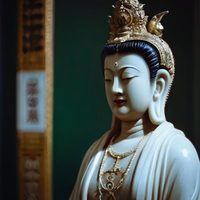
Understanding Quan Yin's sacred symbols deepens your connection with her energy and provides focal points for meditation and altar work. Each symbol carries specific meanings and can be used to invoke different aspects of her compassionate power.
Sacred Symbols:
• White Lotus: Represents purity, spiritual awakening, and the potential for enlightenment emerging from suffering
• Vase of Healing Water: Contains the water that heals all emotional and spiritual wounds — in some depictions this is ambrosia or nectar
• Willow Branch: Symbolises flexibility, resilience, and the ability to bend without breaking
• Pearls: Symbolise tears transformed into wisdom and beauty through compassion
Colours:
• Pure White: Mercy, compassion, spiritual purity
• Soft Pink: Unconditional love, emotional healing
• Sea Green: Healing waters, emotional flow
• Golden Light: Divine wisdom, enlightened compassion
Sacred Offerings:
• White flowers: Especially lilies, lotuses, or white roses
• Pure water: Represents cleansing and emotional healing
• Incense: Sandalwood, lotus, or white tea scents
• Candles: White or pink for compassion, light blue for peace
• Fruits: Pears (symbol of longevity) or any fresh, clean foods
Creating a Quan Yin Altar:
Place a beautiful image or statue of Quan Yin in a peaceful spot. Surround her with white flowers, a small bowl of clean water, and a white candle. Keep this space clean and approach it with reverence and an open heart.
Quan Yin for Emotional Healing and Forgiveness

Quan Yin specialises in emotional healing and is particularly powerful for working through grief, heartbreak, anger, and the challenging process of forgiveness. Her gentle energy helps us process difficult emotions without being overwhelmed, while her wisdom guides us toward healing and peace.
Healing Heartbreak:
When experiencing romantic loss or betrayal, sit quietly and imagine Quan Yin holding your broken heart in her hands. Visualise her pouring golden healing light into the cracks — not to erase the experience but to help your heart expand with greater capacity for love and wisdom.
Forgiveness Practice:
Forgiveness does not mean condoning harmful behaviour, but rather freeing yourself from the burden of carrying resentment. Ask Quan Yin to help you see the situation with compassionate eyes — not to excuse the other person, but to find peace for your own heart. This is a process, not an event; Quan Yin is patient.
Quan Yin Forgiveness Practice:
Light a white candle and call upon Quan Yin's presence. Speak aloud: "Quan Yin, I offer this pain to your healing love." Visualise the person or situation surrounded by pink light. Say: "I release this hurt for my own peace and freedom." Feel Quan Yin's love filling the space where pain once lived. End with: "May all beings be free from suffering."
Working with Anger:
Quan Yin teaches that anger often masks hurt or fear. When feeling angry, pause and ask: "What am I really hurting about?" Allow Quan Yin's compassionate presence to help you address the underlying pain with kindness rather than harsh judgement.
Self-Compassion Practice:
Often the hardest person to forgive is ourselves. When self-criticism arises, imagine Quan Yin placing her hand on your heart and saying: "Beloved child, you are learning and growing. Your mistakes do not diminish your worth. Let love guide you forward."
Modern Quan Yin: Compassion in Daily Life
Quan Yin's teachings offer practical wisdom for living with greater compassion, emotional resilience, and spiritual peace. Her energy supports us in becoming more genuinely loving people while also protecting our own wellbeing.
Quan Yin in Relationships:
Before difficult conversations, invoke Quan Yin's presence to help you listen with an open heart and respond with kindness rather than reactivity. Ask: "How would Quan Yin approach this situation?" This does not mean being passive, but rather responding with wisdom and compassion instead of purely from reaction.
Compassionate Boundaries:
True compassion sometimes requires saying no to protect yourself or others from harm. Quan Yin teaches that healthy boundaries are an act of love, not selfishness. You can care for someone while still protecting your own wellbeing — in fact, genuine care often requires this.
Quan Yin at Work:
In stressful professional situations, silently repeat Quan Yin's mantra to maintain inner peace. Visualise her compassionate presence helping you respond to challenging situations with wisdom rather than from pure reaction.
Parenting with Quan Yin:
When children test your patience, take a breath and imagine Quan Yin's loving energy flowing through you. This helps you respond to their behaviour from a place of understanding rather than frustration, modelling emotional regulation and compassion in practice.
Global Compassion:
In times of world crisis or social injustice, Quan Yin's energy can help channel outrage into compassionate action. Her wisdom guides us to work for positive change without being consumed by anger or despair — to maintain both the clarity that injustice requires and the equanimity that sustained effort requires.
Explore More Goddess Archetypes →
Choose your practice focus:
Send to yourself:
"May I be happy, may I be peaceful, may I be free from suffering"
Send to loved ones:
"May you be happy, may you be peaceful, may you be free from suffering"
Send to difficult people:
"May you be happy, may you be peaceful, may you be free from suffering"
Send to all beings:
"May all beings be happy, peaceful, and free from suffering"