Notifications (Click to mark read)
 Divine feminine healing recognises that we heal in cycles, not straight lines, honouring the wisdom of the body, heart, and intuition as sacred pathways to wholeness. This approach integrates goddess wisdom with modern trauma-informed care, creating healing practices that honour the interconnection of all aspects of our being.
Unlike linear healing models that focus on fixing problems, divine feminine healing embraces the cyclical nature of recovery, understanding that healing happens in sacred time through the compassionate acknowledgement of our wounds rather than their suppression. This approach honours the feminine principles of receptivity, nurturing, and transformation while creating safe containers for genuine healing work.
An important note: goddess-centred spiritual practices can be a meaningful support to healing, but they are not a substitute for professional mental health care. If you are experiencing severe trauma symptoms, suicidal thoughts, self-harm, or inability to function in daily life, please seek professional support. The practices on this page are offered as complements to, not replacements for, qualified therapeutic help.
Core Principles of Divine Feminine Healing:
• Cyclical Recovery: Healing follows natural rhythms with periods of integration and rest
• Embodied Wisdom: The body holds both trauma and healing intelligence
• Relational Healing: Recovery happens within supportive, safe relationships
• Ancestral Awareness: Recognising patterns that extend across generations
• Sacred Witnessing: The healing power of being genuinely seen and heard
This healing approach creates space for the feminine aspects of recovery that are often overlooked — the need for tenderness, the wisdom of emotions, the healing power of connection, and the possibility that our vulnerabilities, when held with care, can become sources of deeper understanding and compassion.
Trauma-Informed Goddess Healing

Divine feminine healing approaches trauma through the lens of sacred restoration, understanding that wounds can become sources of wisdom and compassion when held with proper care. This approach works best alongside, not instead of, professional therapeutic support.
Creating Internal Safety:
Before exploring difficult emotions or memories, establish a felt sense of safety. This might involve connecting with protective goddess energies, using grounding techniques, or working within a therapeutic relationship where you feel genuinely held. Safety comes first. Spiritual practice that bypasses the nervous system's need for safety is not healing.
Somatic Awareness:
Trauma is held in the body. Gentle, body-aware practices — slow breathing, placing hands on areas of tension, mindful movement — can support the body's natural healing processes. These are best developed within a somatic therapy context if you are working with significant trauma.
Emotional Acknowledgement:
Goddess archetypes can provide frames for working with difficult emotions: Kali for the transformative anger that clears what must be released, Quan Yin for the compassion that grief needs, Artemis for the courage to hold boundaries. The work is not to invoke a goddess to bypass the emotion but to find an archetypal container that makes it possible to feel it more fully.
Reclaiming Agency:
Trauma often damages the sense of having choices and authority over one's own life. Connecting with goddess archetypes who embody sovereignty, boundaries, and self-determination can support the slow, real work of reclaiming a sense of agency — not as a spiritual shortcut but as an imaginative resource alongside practical therapeutic work.
Finding Meaning Through Narrative:
Goddess mythology offers a wide range of stories about descent, loss, wounding, and return. Finding your own experience reflected in mythological patterns — Inanna's descent, Persephone's abduction, Demeter's grief — does not explain away what happened, but it can help locate personal experience within a larger human story of suffering and survival.
Womb Healing & Sacred Feminine Centre

Womb healing addresses the creative and energetic centre of the feminine body — and by extension, the energetic space of creativity, sexuality, and life force that exists in all people. This practice can support healing related to feminine identity, sexuality, creativity, and the complex feelings that gather around the reproductive body.
The Womb as Creative Centre:
Beyond literal anatomy, the womb space represents the capacity to gestate, create, and bring new life into being in the broadest sense. Healing this energetic centre can restore access to creative power, a more easeful relationship with the body, and a felt sense of generative capacity.
Womb Breathing Practice:
Place hands on the lower belly and breathe slowly and deeply into that space. Send attention, warmth, and patience to the area. This simple practice of bringing conscious, non-judgmental attention to the creative centre can, over time, begin to shift the relationship with the body — particularly for those who have experienced disconnection or shame.
Releasing Held Tension:
Many people carry tension in the pelvis and lower abdomen connected with sexual experience, medical procedures, difficult births, loss of pregnancy, or cultural shame around the feminine body. Gentle yoga, somatic bodywork, and therapeutic support can work alongside spiritual practice to address this. Do not attempt to process significant sexual trauma without qualified therapeutic support.
Reclaiming Sexuality:
A healthy relationship with sexuality is one built on genuine desire, clear consent, and the absence of shame. Goddess figures like Aphrodite and Oshun represent sexuality as sacred and joyful. Working with their energy can support the slow process of reclaiming sexuality as something belonging to you rather than something imposed upon you.
Creativity as Healing:
Creative work — writing, art, movement, music, making — is itself a form of womb healing. The act of bringing something from inner space into the world, of making visible what was previously internal, is an expression of the creative feminine principle. Approaching creative work as spiritual practice rather than performance can make it genuinely restorative.
Ancestral & Generational Healing

Divine feminine healing extends beyond individual recovery to acknowledge ancestral patterns and generational experience, particularly focusing on the feminine lineage and the ways in which trauma, wisdom, and strength move across generations.
Connecting with the Feminine Lineage:
Creating a small space that honours the women who came before you — mothers, grandmothers, great-grandmothers — can be a meaningful practice. Lighting a candle, holding a photograph, or simply sitting with their names and what you know of their lives acknowledges that you did not arrive in the world without a history, and that history contains both wounds and strengths.
Mother Wound Work:
The relationship with the mother — or with whoever occupied that role — is one of the most significant influences on adult life. Where that relationship was insufficient, overwhelming, or harmful, healing work is genuinely complex and often benefits from skilled therapeutic support. Goddess archetypes of healthy maternal love can provide an imaginative resource, but they cannot substitute for the relational repair that therapy can offer.
Reclaiming Lost Capacities:
Many women in recent generations lost connection with practices of healing, intuition, and feminine spiritual authority through cultural change, religious suppression, or the particular demands of survival. Reclaiming these — through study, practice, and the slow development of trust in one's own perception — is not nostalgia but a practical reorientation toward what was always available.
Breaking Generational Patterns:
Patterns repeat across generations not through mystical transmission but through the concrete mechanisms of modelling, relationship dynamics, and inherited coping strategies. Identifying these patterns — shame, self-sacrifice, difficulty with boundaries, distrust of one's own authority — is the first step toward changing them. Therapy, honest reflection, and supportive community all contribute to this work.
Inherited Fears Around Power:
Many women carry fear of claiming their full capacity, their intuitive perception, or their authority — fear shaped by social conditioning, family dynamics, or the historical marginalisation of women's wisdom. Recognising this fear as a response to a real historical and social context, rather than a personal failing, can begin to release its grip.
Heart Healing & Emotional Recovery

The heart holds our capacity for love and our deepest wounds around relationship, trust, and emotional safety. Divine feminine healing approaches these wounds through the wisdom of love goddesses while supporting the development of healthy boundaries and genuine emotional sovereignty.
Opening the Heart Safely:
Vulnerability requires safety. Before working to open the heart, it is worth asking whether the environment — internal and external — is genuinely safe enough for that opening. Goddess archetypes who demonstrate both depth of feeling and clarity of boundary — Aphrodite's self-possession, Inanna's courage to descend and return — can model the combination of openness and discernment that healthy love requires.
Healing Romantic Wounds:
Heartbreak, betrayal, and romantic trauma are among the most universally human experiences. Allowing grief its full expression — rather than suppressing it with spiritual bypassing or forcing premature forgiveness — is the honest starting point. The love goddesses do not demand that you be over it quickly; they sit with the fullness of what love and its loss actually feel like.
Relational Patterns:
Patterns of losing oneself in relationship, of seeking love at the cost of self-respect, or of repeating dynamics that cause harm are worth examining with genuine curiosity rather than self-judgment. These patterns have histories. Understanding their origins — often in early attachment experience — is more useful than moral condemnation of the pattern.
Grief and Loss:
Grief is love with nowhere to go. It is not a problem to be solved but an experience to be moved through at its own pace. Goddesses associated with grief — Quan Yin's inexhaustible compassion, Demeter's refusal to pretend the loss is acceptable — offer companionship in the experience rather than prescriptions for its resolution.
Forgiveness as a Practice:
Forgiveness is not the same as reconciliation, and it does not require minimising what happened. It is the gradual release of the ongoing cost of carrying resentment — undertaken when you are genuinely ready, not as a spiritual performance. It is a gift to yourself, accomplished slowly and honestly.
Integration & Sacred Community
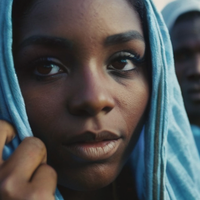
Deep healing rarely happens in isolation. The divine feminine tradition consistently emphasises the importance of being held within community, of being genuinely witnessed, and of the mutual support that comes from people who have walked similar paths.
Sacred Witnessing:
Being truly heard — without advice, without premature reassurance, without the listener's discomfort redirecting the conversation — is a form of healing that is surprisingly rare and genuinely powerful. Finding or creating spaces where this quality of attention is available is worth considerable effort.
Healing Circles:
Women's circles and healing groups provide the experience of being held within a collective container. The combination of individual sharing and group witness creates something that individual therapy or solo practice cannot fully replicate. Look for circles facilitated by people with genuine training and awareness of trauma dynamics.
Mentorship and Mutual Support:
Relationships with those who have walked similar paths — and survived — can provide both inspiration and practical wisdom. The divine feminine tradition has always included the passing of wisdom from those with more experience to those with less, not as hierarchy but as the natural movement of learning through relationship.
Healing as Ongoing Practice:
Healing is not a destination but a continuing orientation toward growth, honesty, and care. The work does not end when the acute crisis passes; it deepens into the maintenance of what has been built, the continued willingness to look clearly at what is difficult, and the ongoing cultivation of the relationships and practices that make a good life possible.
Return to Divine Feminine Hub →
Choose your healing priority:
Consider professional support for:
Goddess spirituality complements but does not replace professional mental health care.
UK:
116 123 — Samaritans (24/7)
0808 802 9999 — Rape Crisis England & Wales
US:
988 — Suicide & Crisis Lifeline
1-800-656-4673 — RAINN Sexual Assault Hotline
1-800-799-7233 — Domestic Violence Hotline