Notifications (Click to mark read)
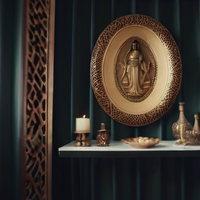 Creating a goddess altar establishes a sacred focal point for your spiritual practice, providing a tangible space where you can connect with divine feminine energy, offer prayers and gratitude, and create ritual experiences that deepen your relationship with goddess consciousness.
A well-designed altar serves as both a spiritual workspace and a daily reminder of your connection to divine feminine wisdom. It becomes a bridge between the visible and invisible worlds, helping you access goddess energy for guidance, healing, and transformation.
Whether you have an entire room or just a small corner, creating sacred space honours your spiritual practice and provides a dedicated place for goddess work. The key is intention and sincerity rather than expensive materials or perfect aesthetics. A cloth, a candle, and a clear sense of purpose is a complete altar.
Basic Altar Foundation and Setup
Every goddess altar needs a solid foundation that provides both physical stability and energetic grounding for your spiritual practice. The foundation sets the tone for all other altar elements.
Choosing Your Altar Surface:
Select a stable surface at an appropriate height for standing or sitting practice. Options include dedicated altar tables, dresser tops, shelving, or a clean section of floor with a beautiful cloth. The surface should be reserved primarily for spiritual practice and kept clear of everyday clutter.
Altar Cloth and Foundation:
Cover your altar surface with a cloth in colours that resonate with your chosen goddess or seasonal energy. Natural fabrics such as cotton, silk, or linen work well. The cloth creates a sacred boundary and provides a beautiful backdrop for altar objects.
Direction and Placement:
Consider compass directions when placing your altar. East honours new beginnings and the air element; south celebrates fire and passion; west honours water and emotions; north represents earth and stability. Choose based on your goddess and your current spiritual focus.
Height and Accessibility:
Position your altar at a height comfortable for both standing and sitting practice. You should be able to reach all items easily and maintain good posture during meditation or ritual work.
Privacy and Respect:
Place your altar where it will be respected and not disturbed by daily activities. If you share space with others who may not understand its purpose, a portable altar that can be set up and stored with care is a practical solution.
Essential Altar Elements and Sacred Objects
While altar designs vary greatly, certain elements appear consistently across traditions because they represent fundamental aspects of divine feminine energy and provide practical tools for spiritual practice.
Goddess Image or Representation:
Include a statue, painting, photograph, or symbol of your chosen goddess as a focal point for meditation and prayer. The image does not need to be expensive — a simple printed image or hand-drawn symbol works well if chosen with care and intention.
Candles for Light and Fire Element:
Candles represent the fire element, divine illumination, and the spark of consciousness. Choose colours that correspond to your goddess — white for clarity, red for passion, blue for wisdom, green for healing. Always use proper holders and practise fire safety.
Water Bowl or Cup:
Fresh water represents the water element, purification, and the flowing nature of divine feminine energy. Change the water regularly to keep the energy fresh. You might add flower petals or a few drops of essential oil.
Crystals and Stones:
Crystals can support your spiritual focus and provide specific vibrational correspondences. Choose stones that align with your goddess or intentions — rose quartz for love, amethyst for wisdom, clear quartz for clarity, moonstone for lunar energy.
Natural Elements:
Include items from nature — flowers, shells, feathers, or stones — to represent the earth element and maintain connection to the natural world. Fresh flowers are ideal but dried herbs or seasonal finds work equally well.
Offering Bowl:
Provide a small bowl for offerings such as flower petals, herbs, grains, or other gifts to your goddess. Offerings express gratitude and create an energetic exchange between you and the divine feminine energy you are invoking.
Goddess-Specific Altar Designs

Different goddesses resonate with specific colours, symbols, and offerings that help you connect more deeply with their particular energy and wisdom. The altar builder in the right column provides a quick reference, but here is a broader overview.
Quan Yin:
White and pale blue cloths, lotus flowers or images, pearls or smooth stones, a flowing water feature if possible. Keep the space serene and uncluttered. Offerings of white flowers and pure water reflect her compassionate quality.
Kali:
Deep red and black, strong protective stones such as obsidian, dramatic lighting. Kali altars benefit from simplicity and power rather than decoration. Offerings can include red flowers and written intentions for what you are ready to release.
Athena:
Blue and gold, owl imagery, books or a pen and paper, clean and organised arrangement. Offerings of olive oil and written questions for guidance reflect her wisdom aspect. Her altar rewards neatness and clarity.
Aphrodite:
Pink and gold, roses and beautiful flowers, a small mirror, shells, luxurious fabrics if available. Her altar should be genuinely beautiful — something you find pleasure in looking at. Offerings include rose petals and anything crafted with aesthetic care.
Artemis:
Silver and forest green, moon imagery, natural wood, plants or herbs, feathers or animal representations. Her altar should feel wild and outdoor-connected rather than refined. Offerings include wildflowers and moon water.
Brigid:
Flame red and gold, a candle kept burning during creative work, creative tools relevant to your practice, spring flowers at Imbolc. Offerings include creative works in progress and honest craft.
Altar Maintenance and Sacred Care
Maintaining your altar keeps the energy fresh and demonstrates ongoing commitment to your spiritual practice. Regular care shows respect for the divine feminine energy you are working with and keeps the space from becoming stagnant.
Daily Altar Care:
Spend a few moments each day at your altar — light a candle, change the water, speak a brief prayer, or sit quietly. Daily attention keeps energy active and maintains spiritual connection far more effectively than occasional elaborate rituals.
Weekly Deep Cleaning:
Clean the altar surface, wash water vessels, dust objects, replace flowers, and refresh offerings. This weekly ritual provides an opportunity for deeper spiritual connection while maintaining the physical beauty of the space.
Seasonal Updates:
Change colours, flowers, and decorations to reflect seasonal energy. This keeps your altar aligned with natural cycles and prevents spiritual stagnation. Seasonal updates also provide an opportunity to reassess your current intentions and focus.
Sacred Storage:
Store altar items in clean, beautiful containers when not in use. Treat sacred objects with care. Wrapping delicate items in natural cloth maintains both their physical condition and their energetic quality.
Energy Clearing:
Regularly clear altar energy with sound, smoke, or prayer. This removes accumulated heaviness and refreshes the spiritual atmosphere. Energy clearing is especially useful after difficult periods or when the space has felt flat or uninspired.
Personal Practice Integration:
Use your altar for specific practices — meditation, prayer, journaling, oracle card readings, or ritual work. The more consistently you use it, the more the space develops its own quality of presence and depth.
Return to Divine Feminine Hub →
Choose your goddess focus:
Essential Items:
Beautiful cloth, goddess image, candle, water bowl, offering dish
Daily Practice:
Light candle, change water, offer gratitude, sit quietly
Weekly Care:
Clean thoroughly, refresh flowers, update offerings