Notifications (Click to mark read)
 The tools used in Ifa divination are not merely instruments, but sacred objects that serve as bridges between the physical and spiritual realms. Each tool has been consecrated through centuries of traditional use and carries the spiritual power necessary for authentic communication with Orunmila and the divine forces of Yoruba cosmology.
These sacred implements - the Opon Ifa, Ikin, Opele, Iroke, Iyerosun, and others - form a complete system that allows trained Babalawo and Iyanifa to access the 256 Odu that contain all knowledge of human destiny and cosmic wisdom. Understanding these tools helps appreciate the sophisticated spiritual technology developed by Yoruba civilization.
Essential Tools Overview
Traditional Ifa divination employs a carefully integrated set of sacred tools, each serving specific functions in the communication with divine wisdom. These instruments work together to create the proper spiritual environment for receiving accurate guidance from Orunmila.
Primary Divination Tools:
• Opon Ifa - The sacred divination tray that serves as the physical interface between worlds
• Ikin Ifa - Sixteen sacred palm nuts that generate the binary patterns of Odu
• Opele Ifa - The divination chain for quicker consultations and daily guidance
• Iroke Ifa - The diviner's tapper used to invoke spiritual presence
• Iyerosun - Sacred powder for marking divine signs on the tray
• Irukere Ifa - The horsehair whisk for blessing and spiritual cleansing
• Agere Ifa - The sacred bowl for holding the Ikin
• Apo Ifa - The diviner's bag for carrying and protecting tools
Each tool requires proper consecration and care, as they are considered living extensions of the spiritual forces they represent.
Opon Ifa: The Sacred Divination Tray
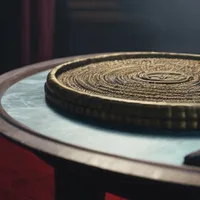
An ọpọ́n Ifá is a divination tray used in traditional African and Afro-American religions, notably in the system known as Ifá and in Yoruba tradition more broadly. The etymology of opon, literally meaning "to flatter", explains the artistic and embellished nature of the trays, as they are meant to praise and acknowledge the noble work of the babalawo (diviners).
Physical Characteristics:
• Size: Generally between 15 and 46 centimeters (6 and 18 inches) in diameter
• Shape: Usually circular, though rectangular and semi-circular variants exist
• Material: Carved from sacred woods by specialist craftsmen
• Design: Raised outer perimeter with carved figures and geometric patterns
Sacred Geography:
The tray is divided into nine symbolic sections that represent different spiritual forces and directions. The "head" (oju opon) faces east and typically features a carved image of Esu, the messenger Orisha. The "feet" (ese opon) face west toward the diviner. The peripheral carvings serve both ornamental and functional purposes, dividing the space into sacred zones.
Spiritual Function:
During divination, iyerosun powder is scattered across the flat central surface, creating the medium on which sacred Odu signs are marked. The more visually appealing the diviner's tools, the more pleasing they are to Orunmila, and thus more effective for spiritual communication.
Ikin Ifa: Sacred Palm Nuts
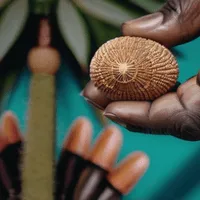
Sixteen Ikin sacred palm nuts, which are used to create what can be called a spiritual binary celestial message referred to as odu ifa. There are a variety of palm nuts that are available, but only specific kinds may be used for Ifa divination and must have at least 3 "eyes" or more.
Sacred Requirements:
• Number: Exactly sixteen nuts are required for formal divination
• Species: Must be from Elaeis guineensis (African oil palm)
• Quality: Each nut must have at least three natural "eyes" or holes
• Consecration: Must be spiritually prepared and blessed by qualified priests
Divination Process:
The palm nuts are grouped in one hand, then the diviner attempts to shift them all to the other hand at once, counting the remaining Ikin left, hopefully to discover that either one or two remain. Odu can only be marked with either one or two palm nuts remaining in the diviner's original hand. This process is repeated eight times to create the complete binary pattern of an Odu.
Spiritual Significance:
The Ikin are considered the most sacred aspect of Ifa divination. Their use represents the highest form of consultation, reserved for the most important questions about destiny, major life decisions, and spiritual guidance. They are believed to contain the direct presence of Orunmila himself.
Opele Ifa: The Divination Chain
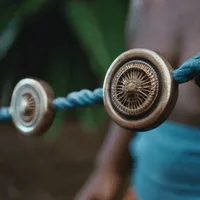
The Opele is a divination chain made up of eight segments, usually crafted from seed pods, coconut shells, or brass. These are linked together and cast during divination to reveal patterns known as Odu Ifa, which contain spiritual insights into a person's life, destiny, and challenges.
Construction:
• Segments: Eight half-nuts or shells connected by chain or cord
• Materials: Coconut shells, kola nuts, brass, or specialized seeds
• Design: Each segment has a convex and concave side
• Length: Sized to fit comfortably in the diviner's hands
Divination Method:
Unlike the more elaborate Opon Ifa, the Opele is lightweight and portable—ideal for mobile or impromptu consultations. The chain is cast, and each of the eight segments lands either concave up or concave down, creating one of 256 possible binary combinations that correspond to specific Odu.
Practical Applications:
The Opele is considered a "servant" of Ifa, providing quicker access to divine guidance for daily questions and immediate concerns. While Ikin divination is reserved for major consultations, the Opele serves as the primary tool for regular spiritual guidance and problem-solving.
Iroke Ifa: The Diviner's Tapper

Iroke Ifa is also known as a diviner's tapper. Its primary job is to attract the attention of Ifa when starting a divination session. A Babalawo or Iyanifa starts an Ifa divination session by tapping on the opon Ifa with the pointed end of the iroke.
Physical Design:
• Materials: Traditionally carved from ivory, also made from wood or brass
• Shape: Elongated with pointed end, often carved with symbolic figures
• Structure: Hollow interior containing metal objects that create sound
• Decoration: Often features carved human figures, animals, or spiritual symbols
Ritual Function:
The iroke is used to make rhythmic noise by tapping the opon divination tray while reciting the mojuba prayer to invoke Ifa. This rhythmic drumming evokes the presence of Ifá and summons the nine ancient diviners symbolically depicted in the tray's perimeter. The sound creates the proper vibrational environment for spiritual communication.
Alternative Names:
The iroke goes by various names including orunke, orun ike, irofa, iro ifa, iro ike, orunfa, or orun ifa, reflecting regional variations in Yoruba tradition and the tool's widespread sacred importance.
Iyerosun: Sacred Divination Powder
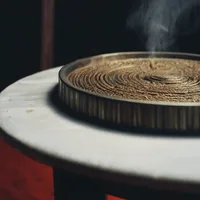
Iyerosun is scattered on the Opon Ifá or Ifá divination tray and used to mark the Odu Ifá. This powder is very important to Orunmila and a competent Awo can use it for a variety of rituals and purposes. The position of the Iyerosun in Ifá is so important that the Ikin can not be used without this powder.
Source and Preparation:
• Origin: Traditionally made from termite dust of the Irosun tree
• Color: Yellowish fine powder with sacred properties
• Processing: Carefully prepared and often blessed before use
• Purity: Must be free from contamination to maintain spiritual efficacy
Essential Role:
Without Iyerosun, the most sacred aspect of Ifá cannot be carried out during divination. The powder serves as the medium on which Odu patterns are drawn, making the invisible divine messages visible in the physical realm. Each mark made in the powder represents a direct communication from the spiritual world.
Ritual Applications:
Beyond divination, experienced Babalawo use Iyerosun for various spiritual purposes including blessings, cleansings, and protection rituals. The powder connects the practitioner directly to the earth element and the ancestral wisdom embedded in traditional practice.
Supporting Sacred Instruments
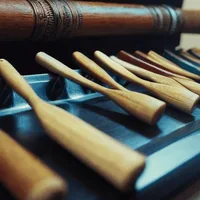
Several additional tools complete the traditional Ifa divination setup, each serving specific functions in the overall spiritual process of communication with divine wisdom.
Irukere Ifa (Horsehair Whisk):
Usually beaded at the handle portion and made of horse tail hair, the Irukere is used during Yoruba religion rituals while reciting Ifa prayers, chants, blessings and cleanings. It aids the Babalawo or Iyanifa in the process of spiritual purification and blessing.
Agere Ifa (Sacred Bowl):
A vessel for holding the sixteen sacred palm nuts (Ikin). Typically carved from wood in the image of a woman with breasts and hands held above her head, holding a container with a lid. This represents the feminine principle of containment and nurturing that protects the sacred nuts.
Apo Ifa (Diviner's Bag):
The traditional bag used to carry and protect all divination tools. Made from natural materials and often decorated with symbolic patterns, the Apo Ifa ensures that the sacred instruments are properly contained and transported with respect.
Ibo (Casting Instruments):
Various small objects used for additional clarification during divination, including cowrie shells, small stones, bones, or metal pieces. These help refine the interpretation of Odu messages and provide specific yes/no answers to detailed questions.
Sacred Care and Consecration
The power and effectiveness of Ifa divination tools depend not only on their physical construction but also on their proper spiritual preparation, consecration, and ongoing care. These sacred objects are considered living repositories of spiritual force.
Consecration Process:
• Blessing Ceremonies: Tools must be properly blessed by experienced Babalawo or Iyanifa
• Spiritual Feeding: Regular offerings and prayers maintain the tools' spiritual vitality
• Ancestral Connection: Tools are connected to the lineage of practitioners who have used them
• Personal Bonding: Each diviner develops a unique relationship with their tools
Daily Maintenance:
• Physical Care: Tools are kept clean and protected from damage
• Spiritual Feeding: Regular prayers, incense, and appropriate offerings
• Respectful Storage: Kept in sacred space away from profane activities
• Proper Handling: Used only for spiritual purposes with proper reverence
Traditional Protocols:
According to tradition, divination tools should not be touched by unauthorized persons, exposed to negative environments, or used for purposes other than authentic spiritual consultation. Their power grows with proper use and diminishes with neglect or misuse.
The Complete Divination Process
Understanding how these sacred tools work together in actual practice illuminates the sophisticated spiritual technology that enables communication between the physical and divine realms.
Traditional Consultation Steps:
1. Preparation:
The diviner orients the Opon Ifa properly (feet facing toward diviner, head facing east), spreads Iyerosun powder evenly across the surface, and arranges all tools in their proper positions.
2. Invocation:
Using the Iroke Ifa, rhythmic tapping on the tray accompanies the Mojuba prayer, acknowledging Olodumare, Orunmila, Orisha, and ancestors while invoking their presence and assistance.
3. Question Formulation:
The client whispers their concern to a coin or cowrie shell, then places it on the tray, establishing the spiritual connection between their need and the divine response system.
4. Casting Method:
Either Ikin (for formal consultations) or Opele (for daily guidance) is used to generate the binary patterns that reveal which of the 256 Odu applies to the situation.
5. Marking and Interpretation:
The revealed pattern is marked in the Iyerosun powder, and the diviner recites the appropriate traditional verses (Ese) that contain the wisdom and guidance for the specific Odu.
6. Clarification and Action:
Additional tools like Ibo may be used for specific clarifications, and the diviner provides practical guidance based on the traditional wisdom revealed through the consultation.
Learn about each sacred tool's purpose:
Opon Ifa Teaching: The sacred tray reminds us that we must prepare our consciousness like a clean surface to receive divine wisdom clearly.
Remember: These tools are sacred objects requiring proper respect, consecration, and training to use authentically.
For authentic practice, consult qualified Babalawo or Iyanifa practitioners.