Notifications (Click to mark read)
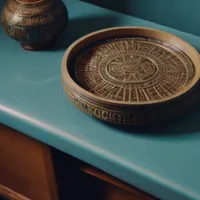 The Opon Ifa is the sacred divination tray that serves as the cosmic interface between the physical and spiritual realms in traditional Ifa practice. This beautifully carved circular or rectangular wooden board represents the universe itself, providing the sacred space where divine messages from Orunmila become visible through patterns marked in Iyerosun powder. The Opon Ifa is both a functional tool and a work of art, embodying the Yoruba understanding that beauty and spirituality are inseparably linked.
The etymology of "opon" literally means "to flatter" or "to praise," explaining the artistic and embellished nature of these trays. They are designed to honor and acknowledge the noble work of the Babalawo and to please Orunmila with their beauty, making divine communication more effective. Each Opon Ifa is a unique masterpiece that combines functional design with sacred symbolism and artistic excellence.
Explore Sacred Construction...
 Physical Specifications:
• Size Range: 15 to 46 centimeters (6 to 18 inches) in diameter
• Primary Shape: Usually circular, with rectangular and semi-circular variants
• Material: Carved from sacred woods by specialist craftsmen
• Central Surface: Flat area for marking Odu patterns in powder
• Raised Perimeter: Decorated border containing the sacred symbols
• Depth: Shallow depression to contain the Iyerosun powder
Traditional Wood Selection:
The choice of wood for Opon Ifa construction is spiritually significant. Traditional woods include Iroko (African teak), known for its durability and spiritual power; Osun wood, associated with the river goddess; and other indigenous woods believed to enhance spiritual communication. The wood must be properly aged, blessed, and spiritually prepared before carving begins.
Artistic Mastery:
Creating an Opon Ifa requires both artistic skill and spiritual knowledge. Master carvers must understand the symbolic meanings of various motifs, the proper placement of sacred figures, and the spiritual significance of geometric patterns. This combination of artistic and spiritual expertise makes authentic Opon Ifa creation a highly specialized craft.
 The Universe in Miniature:
The Opon Ifa represents the cosmos in microcosm, with each section corresponding to different spiritual forces and directions. This cosmic mapping makes the tray a sacred space where earthly questions can connect with universal wisdom and divine guidance can manifest in physical form.
Sacred Directional System:
• Oju Opon (The Head): Faces east toward the rising sun and new beginnings
• Ese Opon (The Feet): Faces west toward the diviner and ancestral realm
• Northern Quadrant: Associated with knowledge and wisdom
• Southern Quadrant: Connected to material manifestation
• Central Area: The neutral space where divine messages appear
Esu's Sacred Position:
The head of the tray typically features a carved image of Esu (Elegua), the messenger orisha who facilitates communication between worlds. This placement acknowledges Esu's essential role in opening spiritual channels and ensuring that divine messages reach their intended recipients accurately.
Peripheral Symbolism:
The carved figures around the tray's perimeter represent various spiritual forces, natural elements, and cosmic principles that influence human life. These may include other Orisha, ancestral figures, animals representing different qualities, and geometric patterns that encode spiritual knowledge.
 Creating Sacred Space:
Before each divination session, the Opon Ifa must be ritually prepared and purified. This involves cleansing the surface, spreading fresh Iyerosun powder evenly across the central area, and invoking the spiritual forces through prayers and the sacred tapping of the Iroke. The tray becomes a consecrated space where divine communication can occur.
The Marking Process:
During divination with Ikin, the diviner marks the Odu patterns directly onto the powder-covered surface of the Opon Ifa. Each mark represents divine communication, transforming invisible spiritual guidance into visible symbols that can be read and interpreted. The powder serves as the medium that makes divine messages manifest in the physical world.
Pattern Preservation:
The flat central surface allows the complete Odu pattern to remain visible throughout the consultation, enabling the diviner to refer back to earlier marks while building the complete divination sequence. This preservation of the spiritual "conversation" helps ensure accurate interpretation and complete understanding.
Spiritual Protection:
The raised perimeter of the Opon Ifa serves both practical and spiritual functions. Practically, it contains the powder within the central area. Spiritually, it creates a protected space that prevents negative influences from interfering with divine communication, while the carved figures actively support and enhance the spiritual work.
 Master Craftsmen Tradition:
The creation of Opon Ifa represents one of Africa's most sophisticated artistic traditions, combining technical woodcarving skills with deep spiritual knowledge. Master carvers undergo years of training to understand both the artistic techniques and the spiritual significance of every design element they create.
Regional Styles:
Different regions of Yorubaland have developed distinctive Opon Ifa styles while maintaining common symbolic elements. Some areas favor geometric patterns, others emphasize figurative carving, and still others combine both approaches. These regional variations reflect local spiritual emphases while preserving universal Ifa principles.
Museum Collections:
Many of the world's finest museums house exceptional examples of Opon Ifa as masterpieces of African art. These collections help preserve the artistic tradition while educating global audiences about the sophistication and beauty of Yoruba spiritual culture.
Contemporary Revival:
Modern artists and craftspeople continue to create Opon Ifa using traditional techniques while sometimes incorporating contemporary artistic elements. This ongoing tradition ensures that the art form remains alive and relevant while maintaining its essential spiritual functions.
 Animal Symbolism:
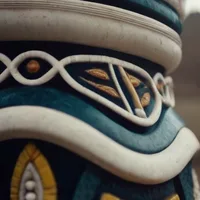
Many Opon Ifa feature carved animals that represent different spiritual qualities and cosmic forces. Elephants symbolize wisdom and memory, tortoises represent longevity and patience, snakes embody transformation and spiritual power, and birds signify communication between realms. Understanding these symbols helps interpret the spiritual energies supporting each divination.
Human Figures:
Carved human figures on Opon Ifa often represent specific Orisha, ancestral spirits, or archetypal roles within the community. These figures serve as spiritual witnesses to the divination process and as sources of particular types of wisdom and guidance.
Geometric Patterns:
The geometric designs found on many Opon Ifa encode mathematical and spiritual principles. Spirals represent the cyclical nature of existence, interlocking patterns symbolize the interconnectedness of all life, and symmetrical designs reflect cosmic balance and divine order.
Color Significance:
When colors are used on Opon Ifa, they carry specific spiritual meanings. The natural wood color represents earthly wisdom, while applied colors like white (purity), red (life force), and blue (spiritual depth) add additional layers of meaning to the symbolic system.
Daily Maintenance:
The Opon Ifa requires regular care to maintain its spiritual power and physical condition. After each use, the powder should be carefully removed, the surface gently cleaned, and the tray stored in a clean, respectful location away from contamination.
Spiritual Feeding:
Like other sacred Ifa objects, the Opon Ifa benefits from periodic spiritual feeding with appropriate offerings such as palm oil, honey, and prayers. This spiritual maintenance keeps the tray's power strong and its connection to divine forces clear.
Physical Preservation:
Proper physical care includes protecting the wood from moisture damage, preventing cracks through appropriate storage, and occasionally treating the surface with traditional oils to maintain the wood's integrity and appearance.
Respectful Handling:
Only qualified practitioners should handle sacred Opon Ifa. When not in use, they should be covered with clean cloth and stored in dedicated spaces that honor their sacred nature.
 Global Practice:
Opon Ifa continue to be used for authentic divination practice throughout the African diaspora and by practitioners worldwide. Modern Babalawo and Iyanifa maintain traditional construction and use methods while adapting to contemporary circumstances and materials when necessary.
Educational Value:
In educational settings, Opon Ifa serve as powerful teaching tools for understanding Yoruba cosmology, artistic traditions, and spiritual practices. Their combination of functional and aesthetic elements makes them excellent examples of integrated spiritual technology.
Cultural Bridge:
Beautiful Opon Ifa serve as cultural bridges, helping people from different backgrounds appreciate the sophistication and depth of African spiritual traditions. Their artistic excellence challenges stereotypes while their functional complexity demonstrates advanced spiritual technology.
Preservation Efforts:
Museums, cultural institutions, and traditional practitioners work together to preserve both the physical objects and the knowledge necessary to create and use them authentically. These preservation efforts ensure that future generations can continue to benefit from this remarkable spiritual technology.
 Academic Study:
Scholarly resources about Opon Ifa include art historical analyses, anthropological studies, and religious scholarship that examine their role in Yoruba culture. These academic resources provide valuable context for understanding their cultural significance.
Practical Learning:
For those interested in practical Ifa study, learning about Opon Ifa should be part of comprehensive training in Yoruba cosmology, divination techniques, and spiritual practices. This learning requires qualified teachers within authentic traditions.
Artistic Appreciation:
Even without religious practice, Opon Ifa can be appreciated as masterpieces of African art that demonstrate the integration of aesthetic beauty with functional design and spiritual meaning. This appreciation helps build cross-cultural understanding and respect.
Cultural Respect:
Whether approaching Opon Ifa from academic, artistic, or spiritual perspectives, it's essential to maintain respect for their cultural origins and sacred significance to practicing communities. This respect includes understanding their proper use and avoiding appropriation or commercialization.
Explore Divination Process...
"Opon Ifa ni aaye agbaye"
Translation: "The Ifa tray is the space of the world"
Teaching: The sacred tray represents the cosmos in miniature, where divine wisdom intersects with earthly concerns.
Sacred Orientations:
Common Symbols:
Opon Ifa are sacred objects requiring proper respect and cultural understanding. Appreciate their artistry and spiritual significance while honoring their traditional uses and meanings.