Notifications (Click to mark read)
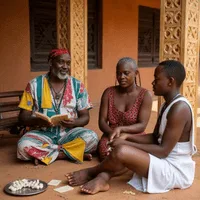 Authentic engagement with Yoruba spiritual traditions requires deep respect, cultural sensitivity, and proper guidance from qualified practitioners. These guidelines emphasize the importance of approaching this sacred wisdom with humility, integrity, and genuine commitment to learning and growth.
For authentic engagement, approach with humility, respect, and willingness to learn from community elders and cultural guardians. True practice involves understanding the cultural context, developing good character (ìwà pẹ̀lẹ́), and building meaningful relationships within traditional communities.
Foundation of Authentic Practice:
Yoruba spirituality is not merely a collection of techniques or beliefs, but a complete way of life emphasizing character development, community responsibility, and harmonious relationship with divine forces, ancestors, and the natural world.
Explore Cultural Context...
Cultural Respect and Sensitivity

Respectful engagement with Yoruba traditions begins with understanding the historical context, acknowledging cultural ownership, and approaching sacred knowledge with appropriate reverence and humility.
Historical Awareness:
• Colonial Impact:
Recognize how colonialism and slavery disrupted traditional practices, forcing adaptation and preservation under difficult circumstances. This history informs contemporary approaches to cultural preservation and transmission.
• Cultural Appropriation vs. Appreciation:
Understand the difference between superficial borrowing and genuine engagement. Authentic practice involves long-term commitment, cultural study, and relationship-building within traditional communities.
• Indigenous Rights:
Acknowledge Yoruba people as the originators and guardians of these traditions. Support indigenous practitioners and communities rather than extracting knowledge without giving back.
• Sacred vs. Public Knowledge:
Recognize that certain aspects of Yoruba spirituality are sacred and restricted, requiring proper initiation and community acceptance before access is granted.
Respectful Engagement Principles:
Approach with humility, seek proper guidance, contribute to community well-being, and maintain confidentiality about sacred matters. Avoid commercializing sacred practices or claiming authority without proper training and community recognition.
Character Development (Ìwà Pẹ̀lẹ́)

Ìwà pẹ̀lẹ́ (good character) forms the foundation of all Yoruba spiritual practice. Without proper character development, technical knowledge remains superficial and potentially harmful.
Core Character Qualities:
• Ìwà (Character):
Fundamental moral and ethical behavior that reflects spiritual development. Character is considered more important than ritual knowledge or supernatural abilities.
• Ẹ̀bẹ̀ (Respect and Humility):
Proper relationship with elders, ancestors, deities, and community members. Demonstrated through appropriate greetings, behavior, and acknowledgment of hierarchies.
• Òdodo (Truth and Honesty):
Commitment to truthfulness in all dealings, avoiding deception, and maintaining integrity even when challenging. Truth-telling is considered sacred.
• Ìfẹ́ (Love and Compassion):
Genuine care for others' well-being, demonstrated through service, generosity, and emotional support within community contexts.
• Ìṣúná (Patience and Perseverance):
Understanding that spiritual development requires time, consistent effort, and willingness to learn from mistakes and setbacks.
Character Assessment:
Traditional communities evaluate character through observation of daily behavior, community contributions, and responses to challenges. Character development is ongoing and central to spiritual advancement.
Proper Training and Guidance
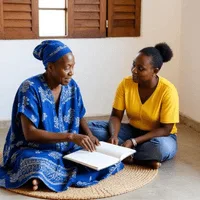
Authentic Yoruba practice requires proper guidance from qualified practitioners who can provide cultural context, ensure safety, and maintain traditional integrity.
Finding Qualified Teachers:
• Traditional Credentials:
Seek teachers with recognized training within traditional communities, proper initiation levels, and community acceptance. Avoid self-proclaimed experts without verifiable credentials.
• Cultural Lineage:
Understand teacher lineages and their connection to authentic traditional sources. Legitimate practitioners can trace their knowledge to recognized elders and communities.
• Community Standing:
Qualified teachers are recognized and respected within their communities, demonstrate good character, and maintain ongoing relationships with traditional authorities.
• Ethical Standards:
Authentic teachers emphasize character development, cultural respect, and proper protocols. They avoid exploitation, maintain confidentiality, and prioritize student welfare.
Learning Process:
Traditional learning involves gradual progression, practical application, and character assessment. Students demonstrate readiness through consistency, respect, and cultural understanding before advancing to deeper levels.
Red Flags to Avoid:
Teachers who promise quick results, charge excessive fees for basic knowledge, claim exclusive access to secrets, or demonstrate poor character should be avoided.
Community Integration and Support

Yoruba spirituality is inherently communal. Authentic practice involves integration into traditional communities and ongoing relationships that support both individual development and collective well-being.
Community Participation:
• Ceremonial Attendance:
Regular participation in traditional ceremonies provides experiential learning, community connection, and opportunities to observe proper protocols in action.
• Service and Contribution:
Contributing time, resources, and skills to community activities demonstrates commitment and builds relationships with other practitioners and elders.
• Cultural Events:
Attending festivals, educational programs, and cultural celebrations deepens understanding and maintains connection to broader Yoruba cultural life.
• Mentorship Relationships:
Developing ongoing relationships with experienced practitioners provides guidance, support, and accountability for authentic development.
Global Community Networks:
Connect with diaspora communities worldwide while maintaining respect for regional variations and local traditional authorities. Each community may have adapted practices while preserving core spiritual principles.
Building Bridges:
Support connections between traditional African communities and diaspora practitioners, facilitating cultural exchange while respecting local autonomy and traditional authority structures.
Explore Diaspora Communities...
Evaluate your preparation: