Notifications (Click to mark read)
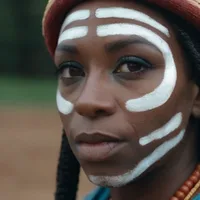 In the Yoruba spiritual tradition, the Orisha are understood as living forces of nature and consciousness that guide destiny, character, and relationship with the unseen.
Orisha (Òrìṣà) are divine spirits that play a key role in Yoruba religion, serving as intermediaries between humanity and Olodumare, the supreme creator. These spiritual forces govern specific aspects of nature and human experience, offering guidance, protection, and wisdom to those who honor them with respect and proper understanding.
Yoruba tradition often says that there are 400 + 1 orishas, which represents "an innumerable number" - the idea that the divine world cannot be fully quantified or comprehended by human minds. Each Orisha embodies both natural forces and moral principles, teaching humanity how to live in harmony with cosmic order.
Understanding the Orisha
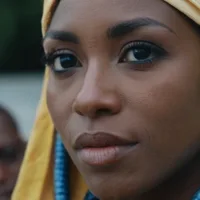
An orisha may be said to arise when a divine power to command and make things happen converges with a natural force, a deified ancestor, and an object that witnesses and supports that convergence and alignment. An orisha, therefore, is a complex multidimensional unity linking people, objects, and powers.
Categories of Orisha:
• Irúnmọlẹ̀ (Primordial Divinities)
The highest ranking divinities who existed before creation and were sent by Olodumare to complete specific tasks. These include Obatala, Orunmila, and other principal Orisha.
• Deified Ancestors
Historical figures who achieved such greatness that they became elevated to divine status after their physical passing, joining the pantheon of spiritual forces.
• Nature Forces
Spiritual entities that govern natural phenomena like rivers, thunder, wind, and iron, representing the divine aspect of these forces that can be cultivated through ritual.
The orisa are grouped as those represented by the color white, who are characterized as tutu "cool, calm, gentle, and temperate"; and those represented by the colors red or black, who are characterized as gbigbona "bold, strong, assertive, and easily annoyed".
Orunmila: The Oracle of Wisdom
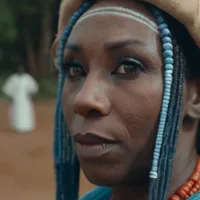
Orunmila is the orisha of wisdom and divination. He was the only orisha allowed to witness the creation of the universe by Olorun and bears witness to our destinies in the making as well. This is the source of his title of Eleri Ipin or "Witness to Destiny in its Creation".
Domain & Attributes:
• Wisdom, knowledge, and divination
• Guardian of the Ifa oracle system
• Revealer of destiny and divine will
• Teacher of spiritual and practical wisdom
Sacred Elements:
• Colors: Green and yellow
• Numbers: 16, 256, 4,096 (reflecting the Odu system)
• Tools: Ikin (palm nuts), Opele (divination chain)
• Day: Thursday
Connection:
Orunmila's priests, the Babalawo or "Fathers of the Secrets," devote themselves to divination and the accompanying spiritual arts. Through the Table of Ifá his priests unfold the secrets of the universe and the secrets of the unfolding of our lives. He works closely with Oshun, as wisdom without knowledge is useless, and knowledge without wisdom is dangerous.
Obatala: The Creator and Father
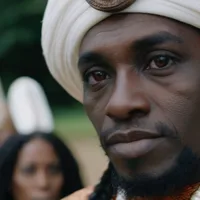
Obatalá is the kindly father of all the orishas and all humanity. He is also the owner of all heads and the mind. Though it was Olorun who created the universe, it is Obatalá who is the creator of the world and humanity. He represents purity, wisdom, peace, and justice.
Domain & Attributes:
• Creation and formation of human beings
• Purity, peace, and moral authority
• Justice and fair judgment
• Protection of the mind and consciousness
Sacred Elements:
• Colors: White (containing all colors)
• Numbers: 8, 16, 128, 16,384
• Offerings: White foods, white flowers, silver
• Day: Thursday
Special Characteristics:
Obatalá is also the only orisha that has both male and female paths. White is most appropriate for Obatala as it contains all the colors of the rainbow yet is above them. As the source of all that is pure and wise, devotees wear white when honoring this great Orisha.
Yemoja: The Great Mother

Yemoja is associated with motherhood and the ocean. As a deity that spans various cultures, Yemaya's name and the reverence for her transcends beyond the Yoruba religion, resonating as a symbol of nurturing and fierce power of the ocean in different cultures.
Domain & Attributes:
• Ocean and all bodies of water
• Motherhood, fertility, and protection
• Healing and cleansing
• Nurturing and unconditional love
Sacred Elements:
• Colors: Blue, white, silver
• Numbers: 7, 14, 21
• Symbols: Shells, pearls, fish, mermaid imagery
• Day: Saturday
Connection:
Yemoja is often called the mother of all Orisha, as life emerged from the primordial waters she represents. She offers protection to women, children, and families, and her vast wisdom encompasses both the gentle nurturing of a calm sea and the fierce protection of a storm. Her devotees often wear blue and white beads as symbols of her protection.
Oshun: The Golden Goddess

Oshun (also Ọṣun, Ochún, and Oxúm) is the Yoruba orisha associated with love, sexuality, fertility, femininity, water, destiny, divination, purity, and beauty, and the Osun River. She is considered the most popular and venerated of the 401 orishas.
Domain & Attributes:
• Love, beauty, and sensuality
• Fresh water, rivers, and streams
• Wealth, prosperity, and abundance
• Diplomacy and sweet persuasion
Sacred Elements:
• Colors: Yellow, gold, amber
• Numbers: 5, 7, 9, 12, 21
• Symbols: Mirrors, fans, peacock feathers, honey
• Day: Friday
Mythological Significance:
In creation stories, Oshun was the only female among 17 Orisha sent to complete creation. When the male Orisha ignored her, their work failed. Only when they acknowledged and included her wisdom could creation be completed. This teaches the essential role of feminine energy in all endeavors.
Shango: The Thunder King
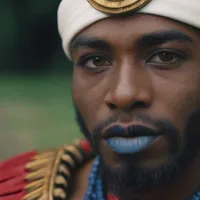
He is a warrior orisha with quick wits, quick temper and is the epitomy of virility. Shangó took the form of the fourth Alafin (supreme king) of Oyó on Earth for a time. He is married to Obba but has relations with Oyá and Oshún.
Domain & Attributes:
• Thunder, lightning, and fire
• Justice, kingship, and royal authority
• Dance, drumming, and celebration
• Masculine power and virility
Sacred Elements:
• Colors: Red and white
• Numbers: 6, 12
• Symbols: Double-headed axe, crown, ram
• Day: Friday
Character:
He is an extremely hot blooded and strong-willed orisha that loves all the pleasures of the world: dance, drumming, women, song and eating. To acknowledge his greatness, practitioners traditionally rise up on their toes when his name is mentioned, honoring his royal status and divine authority.
Oya: The Wind Warrior
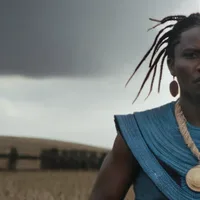
Oyá is the ruler of the winds, the whirlwind and the gates of the cemetery. Her number is nine which recalls her title of Yansa or "Mother of Nine" in which she rules over the egun or dead.
Domain & Attributes:
• Wind, storms, and weather changes
• Death, rebirth, and transformation
• Female warrior energy and courage
• Guardian of the cemetery gates
Sacred Elements:
• Colors: Maroon, nine different colors
• Numbers: 9
• Symbols: Whisk, sword, copper bracelets
• Day: Wednesday
Spiritual Role:
Oya represents the transformative power of change and the courage needed to face life's transitions. As guardian of the cemetery, she helps souls transition between worlds and teaches that endings are necessary for new beginnings. Her fierce warrior energy protects the truth and sweeps away what no longer serves.
Ogun: The Iron Master
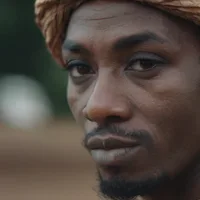
Ogún is the god of iron, war and labor. He is the owner of all technology and because this technology shares in his nature, it is almost always used first for war. As Elegba opens the roads, it is Ogún that clears the roads with his machete.
Domain & Attributes:
• Iron, metal, and all technology
• War, hunting, and protection
• Labor, employment, and hard work
• Clearing obstacles and opening paths
Sacred Elements:
• Colors: Green and black
• Numbers: 7
• Symbols: Machete, hammer, iron tools
• Day: Tuesday
Modern Relevance:
In contemporary times, Ogun governs all forms of technology, from simple tools to computers and vehicles. He represents the transformative power of human ingenuity and the responsibility that comes with technological advancement. Workers in all fields can call upon Ogun for protection and success in their endeavors.
Elegua: The Divine Messenger
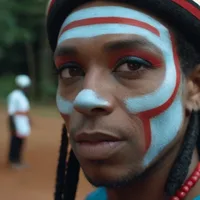
Elegba (also referred to Eleggua or Elegguá) is the owner of the roads and doors in this world. He is the repository of ashé. The colors red and black or white and black are his and codify his contradictory nature. In particular, Elegba stands at the crossroads of the human and the divine, as he is child-like messenger between the two worlds.
Domain & Attributes:
• Crossroads, doorways, and opportunities
• Communication between worlds
• Trickster wisdom and unexpected lessons
• Guardian of choices and decisions
Sacred Elements:
• Colors: Red and black, or white and black
• Numbers: 3, 7, 21, 101, 1001
• Symbols: Keys, crossroads, cowrie shells
• Day: Monday
Spiritual Significance:
Nothing can be done in either world without his permission. Elegba is always propitiated and always called first before any other orisha as he opens the door between the worlds and opens our roads in life. His childlike nature teaches that approaching life with curiosity and playfulness often reveals the best solutions.
Connecting with the Orisha
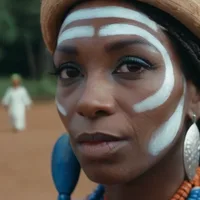
Practitioners traditionally believe that daily life depends on proper alignment and knowledge of one's Orí. Ori literally means the head, but in spiritual matters, it is taken to mean a portion of the soul that determines personal destiny.
Ways to Honor the Orisha:
• Prayer and Meditation
Regular communication through traditional prayers, songs, and personal reflection helps develop relationship with specific Orisha.
• Offerings and Gifts
Each Orisha has preferred offerings - foods, flowers, colors, and objects that please them and show respect for their nature.
• Character Development
Orìṣà devotees strive to obtain Ase through iwa-pele, gentle and good character, and in turn they experience alignment with the ori, what others might call inner peace and satisfaction with life.
• Study and Learning
Understanding the stories, attributes, and wisdom teachings associated with each Orisha deepens spiritual connection.
• Community Participation
Joining with others in ceremonies, festivals, and shared learning helps maintain the living tradition.
Cultural Respect:
For authentic spiritual practice and guidance, especially for major life decisions, we encourage seeking consultation with qualified Babalawo or Iyanifa practitioners who can provide proper cultural context and traditional ceremony.
Explore Cultural Context...
Which Orisha resonates with your current needs?
Loading today's guidance...