Notifications (Click to mark read)
 Iwa Pele (good character) is the foundation of all Yoruba spiritual practice and the ultimate goal of human development. These sacred verses teach us about developing integrity, respect, wisdom, compassion, and moral excellence through daily practice and conscious choice.
Character development in Yoruba tradition is not merely about following rules but about cultivating the inner qualities that naturally express themselves as right action, kind speech, and beneficial service to others and the community.
Iwa Pele Foundation:
Good character is considered more valuable than all other spiritual knowledge or abilities. It is the measure by which a person's worth is judged and the foundation upon which all other spiritual development rests.
Explore Symbolic Meanings...
The Verse of the Golden Character

This foundational verse establishes the supreme value of good character:
Traditional Yoruba:
"Òrúnmìlà ní: Ìwà là ń wá lódò ènìyàn
Ìwà làṣọ ẹni tí kò ní í bàjẹ́
Ìwà là ń wá, kì í ṣe owó
Ìwà là ń wá, kì í ṣe àyà"
English Translation:
"Orunmila says: Character is what we seek in a person
Character is one's garment that will never decay
Character is what we seek, not money
Character is what we seek, not beauty"
Teaching:
This verse establishes that character is the most valuable quality a person can possess. Unlike material wealth or physical beauty, which fade with time, good character becomes more valuable as it matures and influences others.
Eternal Value:
While external possessions can be lost and physical attributes change, character remains with us throughout life and is the legacy we leave behind. Good character enriches every relationship and situation we encounter.
True Worth:
When choosing friends, partners, or colleagues, prioritize character over superficial qualities. Similarly, invest more energy in developing your character than in accumulating external achievements.
The Story of the Respectful Child
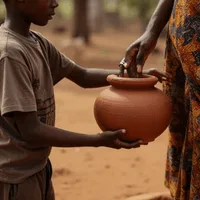
This beloved story teaches about the power of respect and humility:
The Narrative:
Two children went to fetch water from the village well. One was impatient and pushed ahead, demanding to be served first because their family was wealthy. The other waited patiently, greeting the elders respectfully and offering to help others carry their water.
When both children returned home, the impatient one found their water had somehow spoiled, while the respectful child's water remained pure and sweet. The village elders explained: "Water responds to the character of the one who carries it. Respectful hands carry sweet water, while disrespectful hands carry bitter water."
The Wisdom:
"Our character affects everything we touch. When we approach life with respect and humility, we receive back sweetness and blessing. When we approach with arrogance and impatience, we create bitterness in our own experience."
Respect Practice:
True respect is not just outward behavior but an inner attitude of recognizing the dignity and worth of others. It includes respecting elders, acknowledging those who serve us, and treating everyone with basic courtesy.
Character Impact:
Our character qualities influence how others respond to us and how our actions affect the world. Good character creates positive ripples that extend far beyond our immediate awareness.
The Proverb of the Honest Word

This verse teaches about the power and responsibility of truthful speech:
Traditional Proverb:
"Òrúnmìlà ní: Òtítọ́ ni ọ̀rọ̀ tí kò kù
Irọ́ máa ń yí padà láti pa ara rẹ̀
Ẹni tí ó ń sọ òtítọ́ ni à ń fẹ́ràn
Ẹni tí ó ń pa irọ́ ni à ń kọ̀"
Translation:
"Orunmila says: Truth is the word that endures
Lies always return to destroy their speaker
One who speaks truth is loved
One who tells lies is rejected"
Truth's Power:
This verse teaches that truthfulness is not just a moral obligation but a practical necessity for building trust and maintaining healthy relationships. Truth creates solid foundations while lies create instability.
Consequences of Dishonesty:
Lies require more lies to maintain them, creating increasingly complex webs of deception that eventually collapse. The energy required to maintain false stories drains us and damages our relationships.
Truth Practice:
Cultivate honesty in small matters as well as large ones. Practice saying "I don't know" when you don't know, "I made a mistake" when you err, and "I'm sorry" when you cause harm.
Compassionate Truth:
Speaking truth doesn't mean being harsh or insensitive. Learn to speak truthfully with kindness, timing, and consideration for others' capacity to receive difficult information.
The Verse of Patient Wisdom

This teaching explores the relationship between patience and wisdom:
Sacred Text:
"Òrúnmìlà ní: Sùúrù ni baba ìwà
Ẹni tí kò bá ní sùúrù kò le ní ìwà rere
Sùúrù là fi ń kó ìmọ̀
Sùúrù là fi ń kó ọgbọ́n"
English Meaning:
"Orunmila says: Patience is the father of character
One who lacks patience cannot have good character
With patience we acquire knowledge
With patience we acquire wisdom"
Patience as Foundation:
This verse reveals that patience is not just one virtue among many but the foundation that makes all other character development possible. Without patience, we cannot learn, grow, or maintain good relationships.
Learning Patience:
Patience is required for deep learning because understanding develops gradually through repetition, reflection, and practice. Impatience leads to superficial knowledge and premature conclusions.
Relationship Patience:
Good relationships require patience with others' growth processes, forgiveness of mistakes, and the willingness to work through conflicts rather than giving up at the first difficulty.
Self-Patience:
Perhaps most importantly, good character requires patience with our own development. We must be gentle with ourselves as we learn and grow, avoiding harsh self-judgment that discourages progress.
The Teaching of Generous Heart
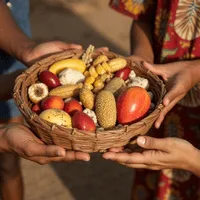
This verse teaches about the character quality of generosity and sharing:
Traditional Teaching:
"Òrúnmìlà ní: Ọwọ́ tí kò bá ṣiṣẹ́ ní à ń jẹ
Ọwọ́ tí ó ń jẹ nìkan ni à ń sọ di ẹ̀tí
Ẹni tí ó ń pín ohun rẹ̀ ló ń di ọlọ́rọ̀
Ẹni tí kò pín ohun rẹ̀ ló ń di alágbe"
Translation:
"Orunmila says: The hand that doesn't work we cut off
The hand that only takes becomes withered
One who shares their possessions becomes wealthy
One who doesn't share becomes a beggar"
Generosity Paradox:
This verse teaches the paradox that we become wealthy by giving and poor by hoarding. Generosity creates flow and circulation that brings abundance, while stinginess creates stagnation and scarcity.
Beyond Material Giving:
Generosity includes sharing our time, attention, skills, knowledge, and emotional support, not just material possessions. The most valuable gifts we can give often cost nothing but mean everything.
Reciprocity and Flow:
Healthy generosity involves both giving and receiving. Those who only give without receiving become depleted, while those who only receive without giving become spiritually impoverished.
Wise Giving:
True generosity is wise and discerning, helping others in ways that support their growth and independence rather than creating dependency or enabling harmful behavior.
The Verse of Humble Excellence

This final verse teaches about combining excellence with humility:
Wisdom Verse:
"Òrúnmìlà ní: Ọ̀tún ọlọ́gbọ́n ló dára jù
Kì í ṣe àgbà ọlọ́gbọ́n
Ẹni tí ó mọ̀ púpọ̀ tí ó sì ń ba ara rẹ̀ kẹ́lẹ́
Ni ẹni tí gbogbo ènìyàn yóò fẹ́ràn"
Final Translation:
"Orunmila says: A humble wise person is best
Not a proud wise person
One who knows much yet remains modest
Is one whom everyone will love"
Excellence with Humility:
This verse teaches that true excellence includes humility. Knowledge, skills, and achievements are most valuable when combined with modesty and respect for others.
Accessible Wisdom:
Humble wise people are approachable and willing to share their knowledge, making their wisdom accessible to others. Pride creates barriers that prevent wisdom from flowing to those who need it.
Continuous Learning:
Humility keeps us open to learning from everyone we meet, regardless of their apparent status or education. The humble person recognizes that wisdom can come from any source.
Service Orientation:
True excellence serves others rather than just elevating oneself. The highest expression of any skill or knowledge is using it to benefit others and contribute to the common good.
Explore Orisha Verses...
Choose your development focus:
"Today I choose to embody Iwa Pele in all my interactions. I will speak truthfully, act with integrity, and treat others with respect and kindness."
"How did I express good character today? Where did I fall short of my ideals? What can I do better tomorrow to embody Iwa Pele more fully?"