Tarot Guidance & Clarification
Tarot Guidance & Clarification offers a space to reflect on situations, emotions, decisions, and uncertainty through symbolic insight. Rather than predicting a fixed future, tarot can help bring awareness to influences, patterns, possibilities, and perspectives that may otherwise go unnoticed.
Your daily card may help clarify a situation, reinforce an intuition, highlight something requiring attention, or encourage a different way of viewing what is unfolding around you.
Take a moment to slow down before viewing your card. Allow the imagery, meaning, and guidance to settle naturally, and consider how it connects to your current experiences, thoughts, or direction.
The History of Tarot
Tarot didn't begin as a tool for divination. It started, in 15th-century Italy, as a card game — tarocchi — played by the nobility of Milan, Ferrara, and Bologna. The earliest surviving decks, commissioned for families like the Visconti and Sforza, were hand-painted luxury objects: standard suits of cups, swords, coins, and batons, plus a sequence of allegorical trump cards (the Wheel of Fortune, Strength, Death, the Tower) that gave the game its strategic complexity.
The shift toward fortune-telling didn't happen for another three hundred years. In the late 1700s, the French scholar Antoine Court de Gébelin claimed, with no real evidence, that tarot encoded ancient Egyptian wisdom smuggled out of antiquity. Around the same time, Jean-Baptiste Alliette — writing under the name Etteilla — published the first dedicated guide to cartomancy and designed the first deck built specifically for divination rather than play. In the following century, the occultist Éliphas Lévi layered the cards with correspondences to the Hebrew alphabet and the Kabbalah, building an entire symbolic system on top of what had, for centuries, simply been a card game.
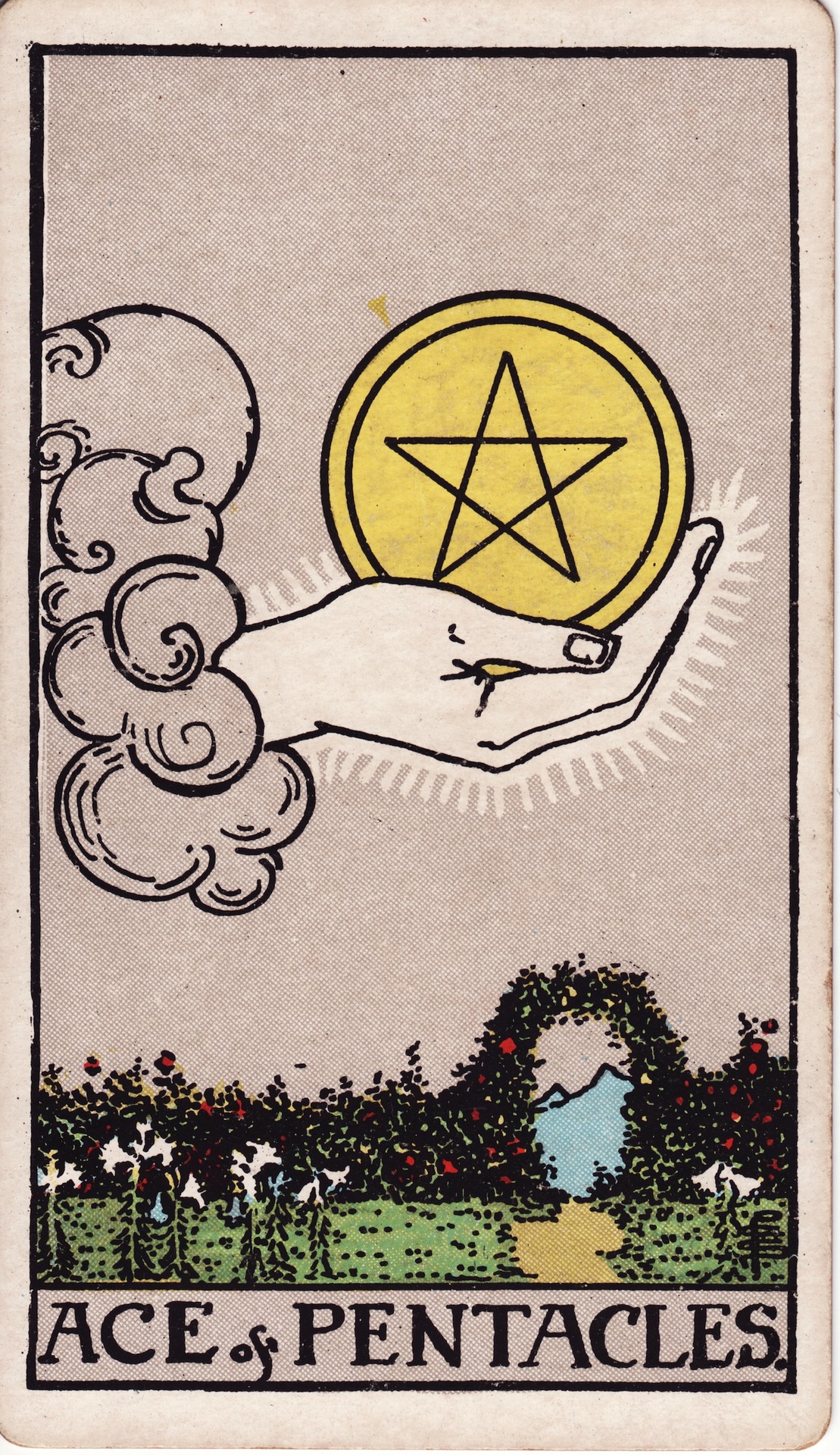
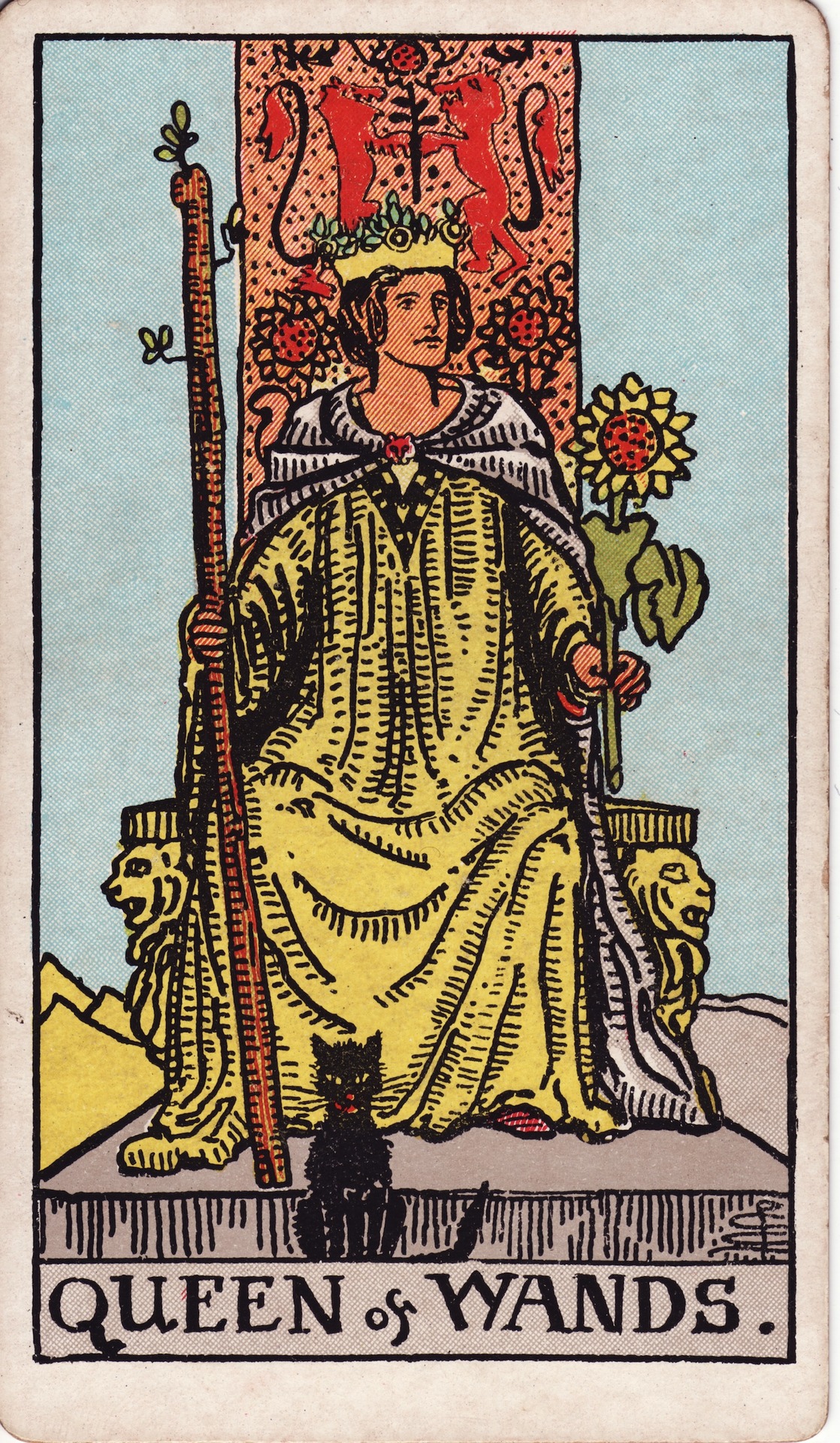
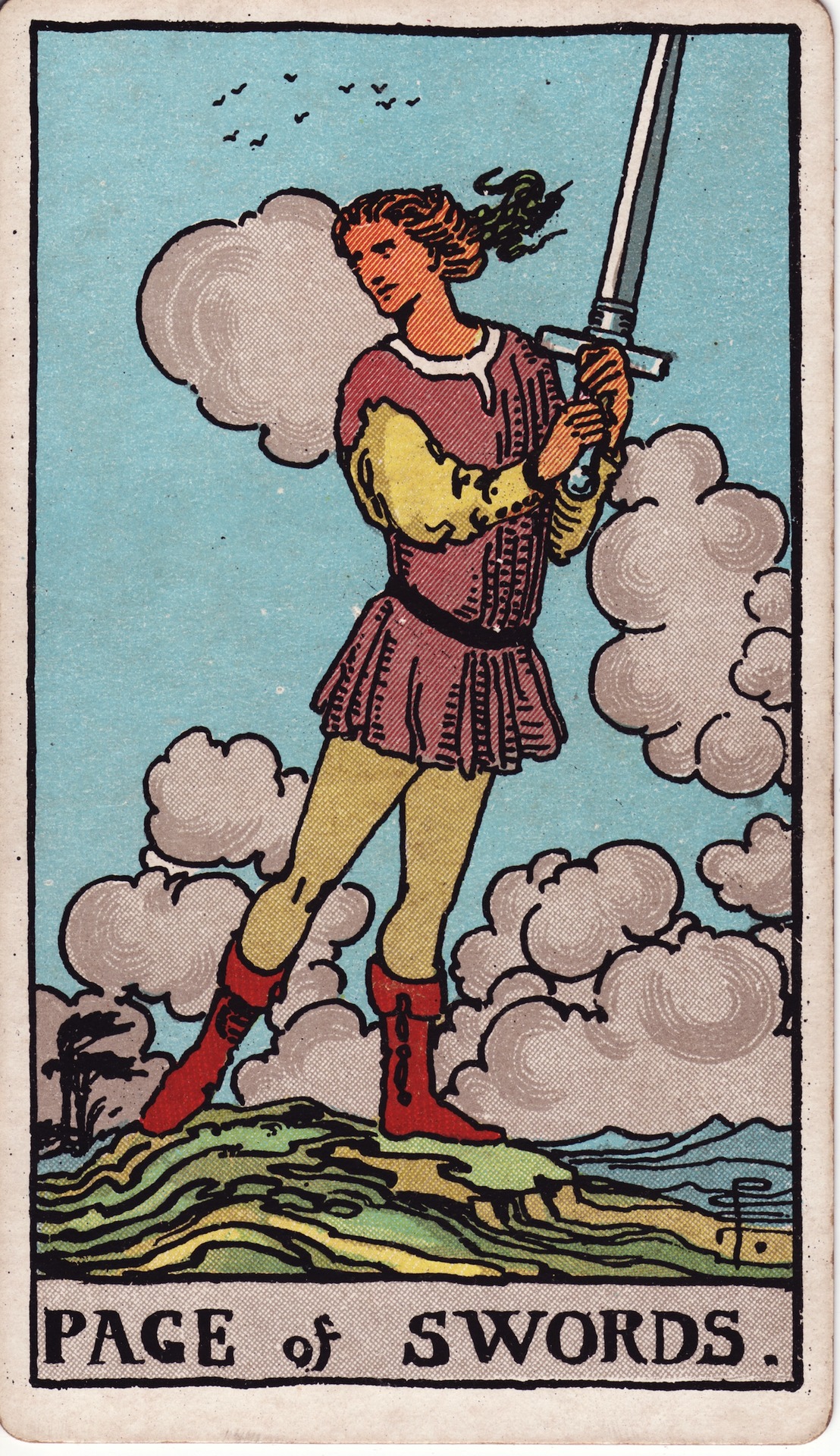
The deck most people picture when they hear the word "tarot" — the Fool stepping off a cliff, the Wheel of Fortune, fully illustrated scenes on every minor card — wasn't created until 1909. It's the Rider-Waite-Smith deck, illustrated by Pamela Colman Smith on commission from occultist Arthur Edward Waite, both members of the Hermetic Order of the Golden Dawn. Smith's decision to give every card, not just the trumps, a complete illustrated scene is what made this deck the visual template nearly every tarot deck has followed since — including the one used in the reading above.
None of this makes tarot less useful, just differently useful than the ancient-Egyptian origin story suggests. Strip away the invented history, and what's left is a deck of richly symbolic, carefully composed images, refined over more than a century of use, that can prompt a kind of structured reflection — less a window into a fixed future, more a way of noticing what you already sense but haven't yet put into words.